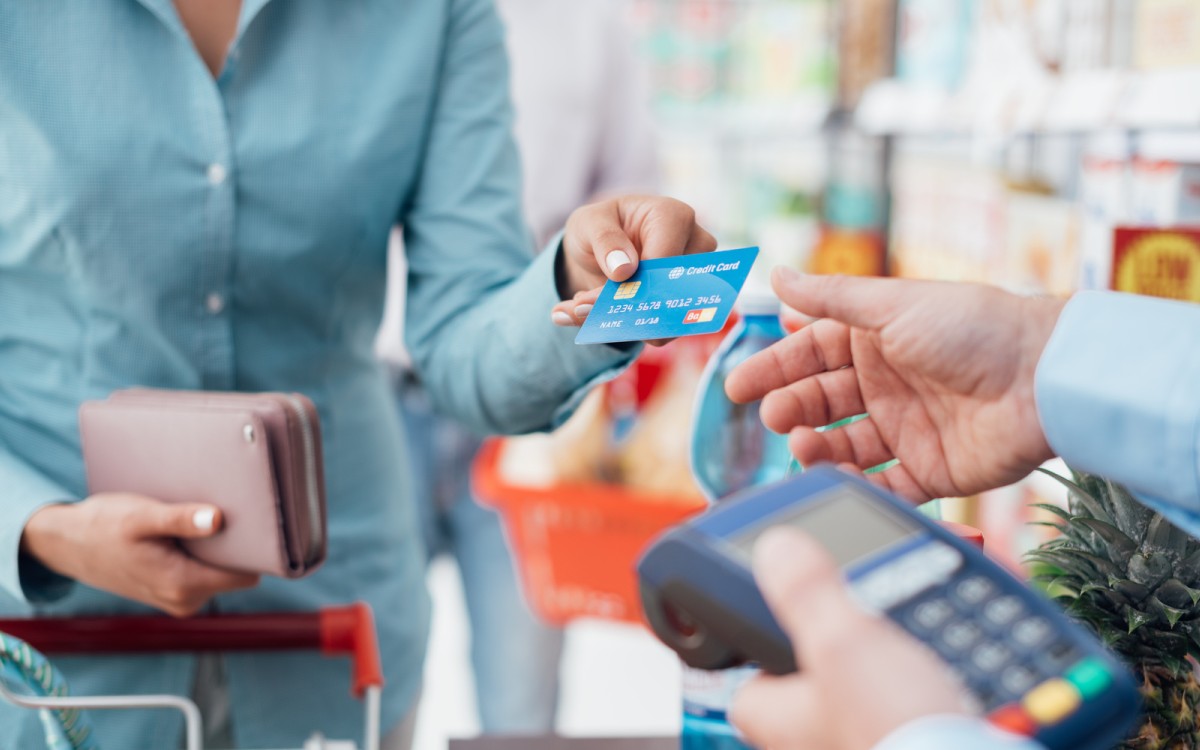
Contactless payments have transformed everyday transactions, making them faster, smoother, and almost effortless. Whether tapping a card or waving a smartphone, the experience feels seamless. Yet, beneath this convenience lies a delicate balance between efficiency and potential risk. Understanding both sides is essential to using this technology wisely.
The Rise of Tap-and-Go Culture
In recent years, contactless payments have shifted from novelty to norm. From grocery stores to public transport, the ability to complete a transaction in seconds has reshaped consumer expectations. People often increasingly prioritise speed and ease, especially in fast-paced urban environments.
At the heart of this system is Near Field Communication (NFC), a short-range wireless technology that allows devices to exchange data when placed close together. This enables transactions to be completed without inserting a card or entering a PIN for smaller purchases.
The appeal is obvious: no fumbling for cash, no waiting for change, and minimal physical contact. Businesses benefit too, as faster transactions reduce queues and improve customer satisfaction.
Convenience – The Driving Force
The biggest advantage of contactless payments is convenience. Transactions typically take just a few seconds, making them ideal for everyday purchases like coffee, groceries, or transport fares.
This speed translates into real-world efficiency. Retailers can serve more customers in less time, while consumers enjoy a frictionless experience. The simplicity of tapping a card or phone removes barriers, making payments feel almost invisible.
Contactless systems also integrate easily with digital wallets, loyalty programmes, and spending trackers. This creates a more personalised and connected financial experience, where users can monitor their expenses in real time or earn rewards automatically.
Another key benefit is hygiene. With no need to touch shared terminals or exchange cash, contactless payments gained widespread acceptance during health-conscious periods and continue to be preferred for their minimal physical interaction.
Security Features Behind the Scenes
Despite common concerns, contactless payments are not inherently insecure. In fact, they rely on multiple layers of protection designed to safeguard users.
One of the most important features is tokenisation. Instead of transmitting actual card details, the system uses a unique, encrypted code for each transaction. Even if intercepted, this data is largely useless to fraudsters.
Encryption adds another layer of protection, ensuring that information exchanged between the card and terminal remains secure. Additionally, the short range of NFC—typically just a few centimetres—makes it difficult for cyber criminals to access data remotely.
Mobile-based contactless payments often go a step further by requiring biometric authentication, such as fingerprint or facial recognition. This significantly reduces the risk of unauthorised use, even if the device is lost.
Periodic verification is another safeguard. After a certain number of contactless transactions, users may be prompted to enter a PIN or use chip-and-PIN authentication, adding an extra checkpoint.
The Hidden Risks of Convenience
While the technology is designed with security in mind, its very convenience can introduce vulnerabilities.
One of the most common risks is unauthorised use if a card or device is lost or stolen. Because small transactions often do not require a PIN, someone could make multiple purchases before the loss is reported.
There is also the issue of “invisible spending.” The ease of tapping can lead to more frequent, impulsive purchases. Without the psychological friction of entering a PIN or handing over cash, people may lose track of their spending habits.
Fraud techniques have also evolved alongside technology. For instance, “electronic pickpocketing” involves using specialised devices to skim data from contactless cards in crowded spaces. Although the range is limited, such attacks are still possible under certain conditions.
More sophisticated threats include relay attacks, where communication between a card and terminal is intercepted and manipulated. While rare, these attacks highlight the ongoing need for robust security measures.
Recent reports have also warned about scams exploiting contactless technology, such as “ghost tapping,” where fraudsters trick users into making unintended payments in busy environments.
The Trade-Off – Speed vs Control
At its core, contactless payment is a trade-off between speed and control.
The faster a transaction becomes, the fewer checkpoints it typically involves. Removing steps like PIN entry enhances convenience but can reduce immediate oversight. This is why most systems impose transaction limits or cumulative caps, ensuring that large or repeated payments trigger additional verification.
Regulators and financial institutions constantly adjust these limits to balance usability and safety. While higher limits improve convenience, they can also increase the potential impact of fraud if a card is misused.
Interestingly, fraud rates for contactless payments remain relatively low compared to overall transaction volumes. However, even small percentages can translate into significant losses at scale, which keeps security a top priority for banks and regulators.
The Role of Consumer Behaviour
Technology alone cannot guarantee safety. User behaviour plays a crucial role in maintaining the balance between convenience and risk.
Follow Simple Habits
Simple habits can make a significant difference. Regularly checking bank statements, enabling transaction alerts, and reporting lost cards promptly can minimise potential damage. Many banks also allow users to temporarily lock their cards or disable contactless functionality when not in use.
Opt for Mobile Wallets
Using mobile wallets instead of physical cards can further enhance security, thanks to biometric authentication and remote locking features.
Be Cautious
Awareness is equally important. Being cautious in crowded places, avoiding suspicious payment requests, and verifying transaction details before tapping can help prevent common scams.
Privacy Concerns in a Digital Payment World
Beyond financial risks, contactless payments raise questions about data privacy. Each transaction generates data that can be used to track spending patterns, locations, and consumer behaviour.
While this data enables personalised offers and improved services, it also creates potential vulnerabilities if not handled responsibly. Data breaches or misuse of information could compromise user privacy.
As digital payments become more integrated into daily life, striking the right balance between personalisation and privacy will be increasingly important.
Striking the Right Balance
Contactless payments are neither entirely risk-free nor inherently dangerous. Instead, they represent a carefully managed balance between convenience and security.
On one hand, they offer unmatched speed, ease, and efficiency. On the other, they require ongoing vigilance from users, businesses, and regulators alike.
The key lies in layered protection. Technology provides encryption, tokenisation, and authentication, while users contribute through awareness and responsible behaviour. Together, these elements create a system that is both convenient and reasonably secure.
Looking Ahead
As technology evolves, contactless payments will continue to improve. Advances in biometric authentication, artificial intelligence, and fraud detection are likely to make transactions even safer without compromising convenience.
At the same time, new risks will inevitably emerge. Cybercriminals are constantly adapting, and maintaining the balance between innovation and security will remain an ongoing challenge.
Ultimately, contactless payments are a reflection of modern life: fast, connected, and constantly evolving. By understanding both their advantages and limitations, users can enjoy the benefits while staying protected.