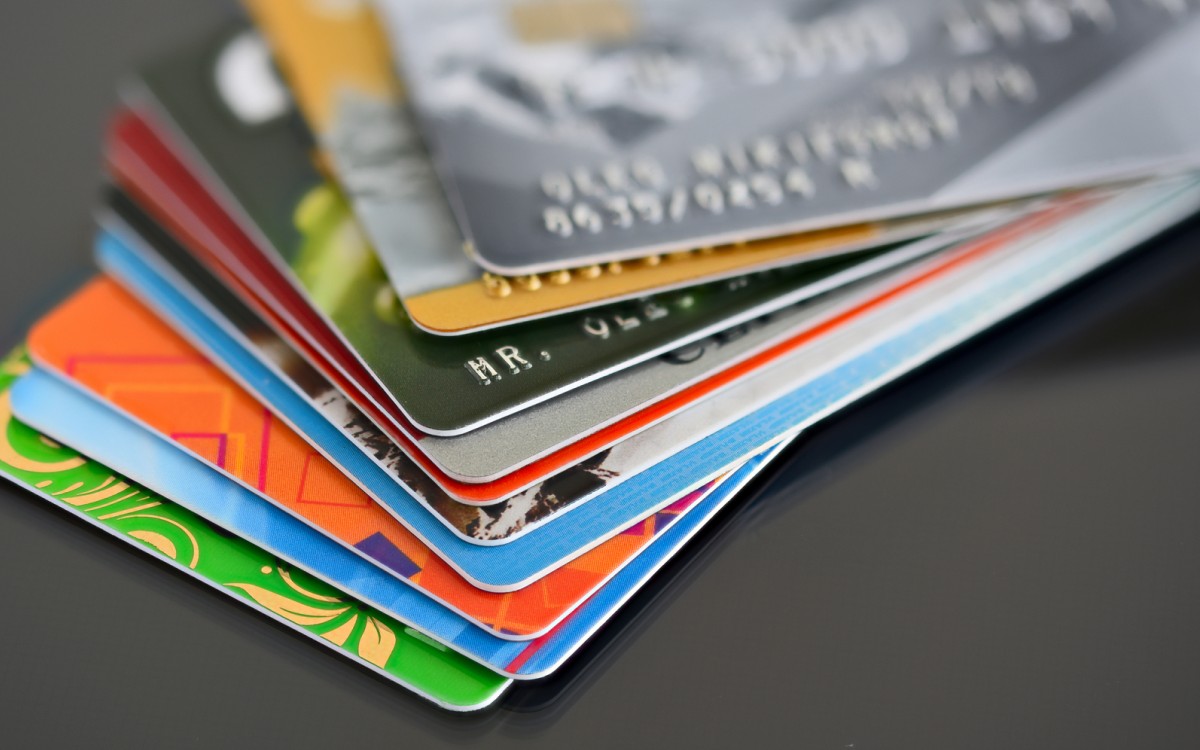
Cards have become an essential part of everyday financial transactions. Whether you are shopping online, paying utility bills, or booking travel tickets, both debit and credit cards offer convenience and speed. However, despite their similarities, these two payment methods function very differently. Understanding when to use each can help you manage your finances more effectively, avoid unnecessary charges, and even maximise benefits such as rewards and cashback.
Understanding the Basics
A debit card is directly linked to your bank account. When you make a purchase, the amount is deducted immediately from your available balance. In simple terms, you are spending your own money.
A credit card, on the other hand, allows you to borrow money from the issuing bank up to a pre-approved limit. You are required to repay this amount later, either in full or partially, within a billing cycle. If you do not pay the full balance, interest is charged on the outstanding amount.
This fundamental difference—spending your own funds versus borrowing—shapes how and when each card should be used.
When to Use a Debit Card
A debit card is best suited for situations where you want to maintain strict control over how you spend your deposited funds and avoid debt.
Everyday Expenses
Debit cards are ideal for daily transactions such as groceries, fuel, and dining. Since the money is deducted instantly, it helps you stay within your budget and prevents overspending.
Avoiding Debt
If you prefer not to borrow money or worry about repayment schedules, a debit card is the safer option. There is no risk of accumulating interest or falling into a debt cycle.
ATM Withdrawals
Debit cards allow you to withdraw cash directly from ATMs. This is particularly useful in places where digital payments may not be accepted.
Budgeting and Financial Discipline
Because your spending is limited to your account balance, debit cards naturally encourage disciplined financial habits. They are especially useful for students or individuals trying to manage their expenses carefully.
Lower Fees
Debit cards generally have fewer charges compared to credit cards. While there may be fees for excessive ATM withdrawals or international usage, these are typically minimal.
When to Use a Credit Card
Credit cards can be powerful financial tools when used responsibly. They offer flexibility, rewards, and additional protections that debit cards may not provide.
Large Purchases
Credit cards are useful for high-value transactions such as electronics, appliances, or travel bookings. Instead of depleting your savings instantly, you can spread the cost over time.
Building Credit History
Using a credit card responsibly—by paying bills on time—helps build a strong credit score. This is important when applying for loans, such as a home or car loan.
Rewards and Cashback
Many credit cards offer rewards programmes, cashback, or travel points. If you use your card regularly and pay the balance in full, you can benefit from these incentives without incurring extra costs.
Emergency Situations
A credit card can act as a financial cushion during emergencies when immediate funds are not available in your bank account.
Online and International Transactions
Credit cards are often preferred for online shopping and international payments due to better fraud protection and wider acceptance.
Situations Where Debit Cards Are Better
There are several scenarios where using a debit card is the more practical and financially sound choice.
- Daily budgeting: Helps track and control routine spending
- Avoiding interest: No risk of paying extra charges
- Small purchases: Convenient for low-value transactions
- Financial discipline: Encourages spending within limits
If you are someone who prefers simplicity and wants to avoid financial complications, relying primarily on a debit card can be beneficial.
Situations Where Credit Cards Are Better
Credit cards are useful in situations where flexibility and added benefits are important.
- Big-ticket expenses: Allows you to manage cash flow better
- Travel bookings: Often includes insurance and rewards
- Online shopping: Offers enhanced protection against fraud
- Earning rewards: Maximises value on regular spending
However, these advantages only apply if you repay your dues on time. Otherwise, high interest rates can quickly outweigh the benefits.
Risks to Be Aware Of
Debit Card Risks
- Limited fraud protection compared to credit cards
- Direct impact on your bank balance in case of unauthorised transactions
- Daily withdrawal or transaction limits
Credit Card Risks
- High interest rates on unpaid balances
- Potential to overspend due to easy access to credit
- Late payment fees and penalties
- Negative impact on credit score if mismanaged
Being aware of these risks helps you use each card more wisely.
How to Use Both Smartly
The most effective financial strategy is not choosing one over the other, but using both cards in a balanced way.
- Use your debit card for everyday expenses and cash withdrawals
- Use your credit card for larger purchases, online transactions, and rewards
- Always pay your credit card bill in full before the due date
- Keep track of your spending across both cards
- Avoid withdrawing cash using a credit card, as it incurs high fees and interest
This approach allows you to enjoy the benefits of both while minimising risks.
Tips for Responsible Card Usage
- Set a monthly budget and stick to it
- Enable transaction alerts to monitor spending
- Review statements regularly to spot errors or fraud
- Avoid minimum payments on credit cards, as they lead to interest accumulation
- Keep your PIN and card details secure at all times
Developing these habits can significantly improve your financial well-being.
Conclusion
Debit and credit cards each serve distinct purposes, and understanding their differences is key to making smarter financial decisions. A debit card offers simplicity, control, and freedom from debt, making it ideal for everyday spending. A credit card, when used responsibly, provides flexibility, rewards, and the opportunity to build a strong credit profile.
Rather than viewing them as competing options, think of them as complementary tools. By using each card in the right situations and maintaining disciplined financial habits, you can manage your money more efficiently and make the most of modern banking conveniences.