Whenever you stream a video, make a digital payment, or play a game online, you access data stored on servers. These servers, housed inside data centres, generate an enormous amount of heat while working. Traditionally, the heat generated is pumped outside the building to keep the system cool. This, however, leads to wastage of heat energy. Modern facilities fix this issue by redirecting and reusing waste heat efficiently.
Mechanism Used to Redirect Heat
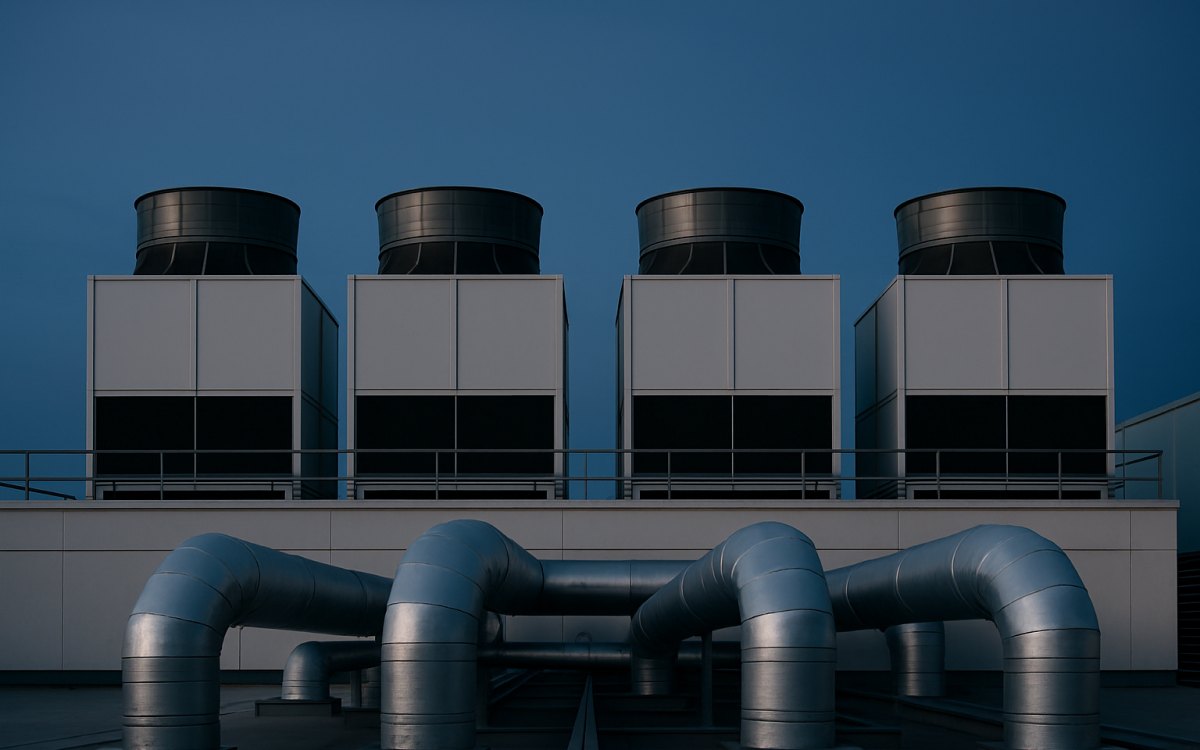
Every time data is processed, electricity flows through microprocessors. Due to electrical resistance, a significant portion of this electrical energy is converted straight into heat. To prevent servers from overheating and malfunctioning, data centers employ powerful cooling systems. These systems function like massive air conditioners, absorbing the hot air from server aisles and expelling it outside via cooling towers or exhaust fans.
How Waste Heat Is Being Reused
The air leaving a typical air-cooled server room ranges between 30 and 45 degrees Celsius. While this may not seem hot enough to boil water or power industrial turbines, it is a perfect baseline temperature for a variety of secondary heating applications.
Heating Homes and Public Buildings
One of the most established methods of utilising data centre thermal energy is connecting facilities directly to municipal district heating networks. In densely populated urban areas, cities maintain centralised underground pipe networks that distribute hot water to provide space heating and tap water to residential apartments, schools, and hospitals.
Because the temperature of the water leaving a data centre cooling loop typically sits between 30 and 45 degrees Celsius, it often requires a slight boost to meet the demands of municipal infrastructure. To achieve this, operators install industrial heat pumps. These devices compress the captured thermal energy, efficiently raising the temperature to 70 or 80 degrees Celsius. By plugging into these networks, data centres provide a constant, predictable baseline of warmth, allowing local councils and housing estates to reduce their reliance on traditional fossil-fuel boilers.
Supporting Greenhouses and Agriculture
The agricultural sector is increasingly adopting server exhaust to stabilise cultivation climates and lower food production costs. Large-scale commercial greenhouses require massive, uninterrupted supplies of energy to cultivate fruits, vegetables, and flowers out of season or during colder months.
By constructing agricultural complexes in close proximity to data centers, operators can route the warm water exhaust straight into the underfloor and ambient heating loops of the greenhouses. This steady thermal blanket prevents frost, accelerates crop growth cycles, and ensures optimal soil temperatures year-round. This symbiotic relationship reduces energy expenses for farmers while establishing a sustainable, circular method for localised food production.
Supplying Hot Water
Public recreational facilities, particularly swimming pools, carry incredibly high energy demands because thousands of litres of water must be kept at a comfortable temperature every single day. Several municipal councils have successfully lowered their carbon footprints and operational costs by linking public pools directly to nearby data processing hubs.
Through the use of highly efficient liquid-to-liquid heat exchangers, the intense heat generated by microprocessors is transferred safely to the pool’s water circulation system. This setup creates a continuous loop where the swimming pool essentially acts as a giant radiator that helps cool the data centre, while the data centre simultaneously eliminates the pool facility’s need for heavy gas consumption.
Fueling Industrial Processes
A wide range of commercial operations rely on low-to-medium temperature water for daily manufacturing and cleaning tasks. Commercial laundries, textile factories, and food processing plants all consume vast amounts of energy simply heating water to wash, treat, or pasteurise products.
Integrating these industrial facilities into data centre ecosystems creates a highly productive shared economy. Liquid cooling systems from the server rooms can transport high-density thermal energy directly to the factory floor. By utilising this ready-made thermal energy as their primary heat source, these businesses drastically cut down on their startup energy needs, only using their own boilers to top up temperatures when absolute boiling points are required.
Powering Thermal Energy Storage Systems
Because data processing happens around the clock, the generation of waste heat remains relatively constant. However, community demand for heating fluctuates wildly based on the time of day and seasonal weather changes. To resolve this mismatch, data centres are using their waste heat to power large-scale thermal energy storage systems.
During periods of low external demand—such as warm summer afternoons or late nights—the captured hot water is directed into massive, heavily insulated underground water reserves or phase-change material tanks. These installations act exactly like thermal batteries. The stored energy is held securely with minimal loss until peak demand strikes during chilly mornings, at which point the system releases the stored warmth back into the local grid, maximising the utility of every single watt generated.
Desalinating Water
Coastal regions experiencing fresh water scarcity are finding ways to use data centre thermal energy to drive desalination plants. Traditional desalination methods, such as thermal distillation, require vast amounts of electricity or fossil fuels to heat seawater and separate the salt from the pure water.
Modern data centers can route their high-temperature liquid cooling loops directly into low-temperature distillation systems. This harvested thermal energy is used to warm the incoming seawater, accelerating evaporation inside vacuum chambers without needing to reach a traditional boiling point. By providing this steady thermal foundation, data processing hubs help generate clean drinking water for local communities while significantly reducing the operational expenses of water treatment infrastructure.
The efficient reuse of data centre waste heat marks a vital step toward a smarter, more circular digital economy. Rather than treating thermal energy as a problematic byproduct, modern infrastructure transforms it into a valuable asset. Whether keeping homes warm, boosting agricultural yields, or supporting water purification, this approach ensures that digital expansion benefits local communities directly. By connecting data processing with everyday municipal needs, technology hubs are proving that digital growth can actively support sustainable physical environments.