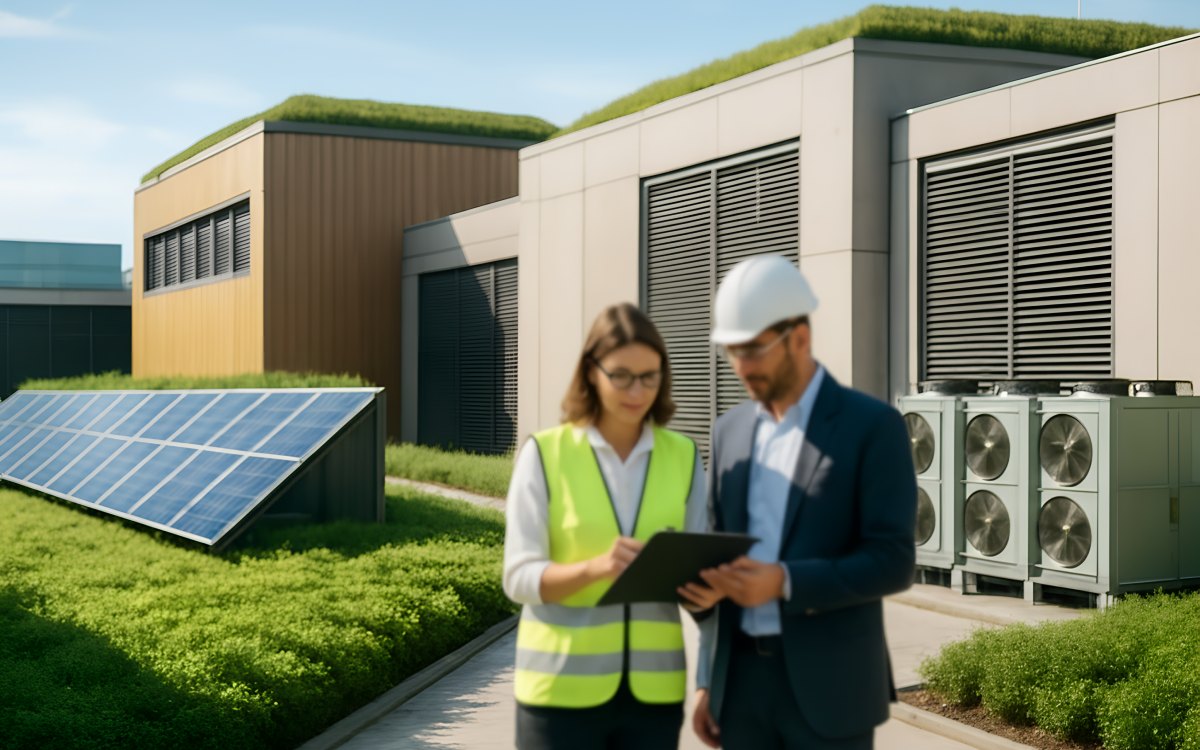
Every online payment, video stream, cloud backup, and AI-powered service depends on a data centre. As digital demand grows across the country, developers are rethinking how these facilities are designed and built. Sustainable construction is now shaping modern projects by improving energy efficiency, reducing environmental impact, and lowering long-term operating costs. From smarter cooling systems to eco-friendly building materials, these changes are influencing how you plan, manage, and maintain critical digital infrastructure in a rapidly expanding technology market.
Why Sustainability Matters in Data Centre Construction
A data centre consumes large amounts of electricity and water every day. Servers run continuously, cooling systems operate around the clock, and backup infrastructure remains active to avoid downtime. As digital services expand, operators face increasing pressure to improve efficiency without compromising performance.
Sustainable construction helps address this challenge from the very beginning of a project. Instead of focusing only on operational upgrades later, developers now integrate efficiency into the design, materials, and construction process itself. This approach reduces energy consumption, supports long-term scalability, and helps businesses meet environmental compliance standards.
For you as an operator, investor, or infrastructure planner, sustainability is no longer limited to corporate responsibility goals. It directly affects operating expenses, infrastructure reliability, and future expansion plans.
Shift Towards Green Building Standards
Many new facilities now follow recognised green building frameworks such as LEED and IGBC certifications. These standards encourage better insulation, efficient lighting, reduced water usage, and environmentally responsible construction practices.
Builders are also paying closer attention to site selection. Locations with access to renewable energy, stable climates, and reliable water management systems are becoming more attractive for large-scale projects.
This shift is changing how data centre campuses are planned. Instead of building isolated server facilities, developers are creating integrated ecosystems that support energy optimisation and resource efficiency over the long term.
Energy Efficiency Is Driving Design Decisions
Energy consumption remains one of the biggest operational costs for any data centre. Sustainable construction focuses heavily on reducing unnecessary power usage through better design choices.
Modern facilities increasingly use:
- High-efficiency HVAC systems
- Advanced airflow management
- Hot aisle and cold aisle containment
- Smart lighting systems
- AI-driven power monitoring
- Energy-efficient UPS systems
These technologies help maintain optimal operating conditions while lowering electricity consumption.
Architects also design buildings to reduce heat gain. Reflective roofing materials, insulated wall systems, and strategic orientation minimise the cooling load inside server halls. Even small reductions in cooling demand can create substantial savings over the lifespan of a facility.
For operators, this means lower energy bills and improved Power Usage Effectiveness (PUE) ratings.
Renewable Energy Integration Is Expanding
Renewable energy adoption has become a major focus area for large technology infrastructure projects. Solar and wind power agreements are increasingly common among major operators looking to reduce dependence on conventional energy sources.
Several facilities now combine grid electricity with on-site renewable systems. Rooftop solar installations, battery storage systems, and hybrid power models help improve energy resilience while lowering carbon emissions.
This trend is especially relevant in regions where electricity demand continues to rise quickly. Sustainable construction supports renewable integration by designing facilities that can accommodate future clean energy infrastructure upgrades.
You are also likely to see increased investment in microgrids and energy storage systems over the next few years as operators seek greater control over energy reliability.
Water Conservation Is Becoming a Priority
Cooling systems require significant amounts of water, particularly in large hyperscale facilities. In areas facing water stress, efficient water management has become essential.
Sustainable construction addresses this issue through technologies such as:
- Closed-loop cooling systems
- Rainwater harvesting
- Recycled water usage
- Water-efficient chillers
- Smart monitoring systems
These systems reduce dependence on freshwater supplies while maintaining cooling performance.
Developers are also using drought-resistant landscaping and improved drainage systems around facility campuses. This reduces environmental strain while supporting long-term operational stability.
Water Usage Effectiveness (WUE) is now an important performance metric alongside energy efficiency measurements.
Sustainable Materials Are Reshaping Construction Practices
Traditional construction methods often rely heavily on carbon-intensive materials. Sustainable projects are changing this by using lower-impact alternatives wherever possible.
You will increasingly find facilities built with:
- Recycled steel
- Low-carbon concrete
- Sustainable insulation materials
- Energy-efficient glass
- Responsibly sourced construction products
Prefabricated and modular construction methods are also becoming more common. These techniques reduce waste, improve quality control, and speed up deployment timelines.
Modular construction offers another advantage for rapidly growing digital infrastructure demand. Operators can expand capacity gradually instead of constructing oversized facilities from the start. This improves resource efficiency and reduces unnecessary material consumption.
Smart Technologies Are Improving Operational Efficiency
Sustainable construction now extends well beyond the physical building itself. Smart technologies play a major role in improving long-term efficiency after the facility becomes operational.
Modern monitoring platforms track:
- Power consumption
- Cooling performance
- Server utilisation
- Airflow patterns
- Water usage
- Equipment health
AI and machine learning systems analyse this data continuously to identify inefficiencies and optimise operations in real time.
Predictive maintenance tools also reduce equipment failures and improve infrastructure lifespan. Instead of replacing systems prematurely, operators can maintain assets more effectively based on actual performance data.
For you, this creates opportunities to improve reliability while reducing maintenance costs and operational waste.
Edge Computing Is Influencing Sustainable Design
The growth of edge computing is changing how facilities are built and distributed. Instead of relying only on massive centralised campuses, organisations are deploying smaller facilities closer to users.
These smaller units often require less land, lower cooling capacity, and reduced energy consumption. Sustainable construction principles help ensure these distributed facilities remain efficient despite rapid deployment schedules.
Edge facilities also support faster digital services by reducing latency. As demand for real-time applications grows, sustainable edge infrastructure will likely become an increasingly important part of the broader technology ecosystem.
This trend is encouraging developers to create flexible, scalable designs that can adapt to different environments and operational requirements.
Government Policies and Industry Targets Are Accelerating Change
Environmental regulations and sustainability commitments are influencing infrastructure investment decisions more strongly than before. Developers increasingly need to demonstrate energy efficiency, carbon reduction, and responsible resource management during project approvals.
Many organisations have also introduced internal sustainability targets linked to carbon neutrality goals. Construction strategies now play a direct role in helping companies achieve these objectives.
Financial institutions are also paying closer attention to environmental performance when funding large infrastructure projects. Facilities designed with strong sustainability credentials may benefit from improved financing opportunities and long-term investment confidence.
As a result, sustainable construction is becoming a standard expectation rather than a niche approach.
Business Benefits Beyond Environmental Impact
Sustainable construction is not only about reducing emissions. It also creates measurable business advantages for operators and investors.
Efficient facilities typically benefit from:
- Lower operational costs
- Reduced energy consumption
- Improved infrastructure reliability
- Better scalability
- Longer equipment lifespan
- Stronger regulatory compliance
- Enhanced investor confidence
Customers are also paying closer attention to sustainability when selecting technology partners. Businesses increasingly prefer providers that can demonstrate responsible infrastructure practices.
For operators, this creates both a competitive advantage and an opportunity to strengthen long-term resilience.
Challenges
Despite strong momentum, sustainable construction in the data center industry still faces several challenges.
Initial investment costs can be high, especially for advanced cooling systems, renewable integration, and smart infrastructure technologies. Some regions also face limitations related to power availability, water access, and renewable energy infrastructure.
Skilled workforce shortages may slow adoption as demand for specialised engineering and sustainability expertise continues to grow.
In addition, balancing rapid deployment timelines with sustainability goals can be difficult for operators facing urgent capacity demands.
However, continued technological innovation and increased industry collaboration are helping address many of these barriers.
Sustainable construction is reshaping how modern data centres are designed, built, and operated. Energy efficiency, water conservation, renewable energy integration, and smart infrastructure are now central to long-term planning decisions. As digital demand continues to expand, developers are focusing on facilities that deliver both operational performance and resource efficiency. For you, this shift offers practical benefits that include lower costs, stronger reliability, and improved scalability. Sustainable construction is no longer an optional consideration. It is becoming a core part of future-ready digital infrastructure.