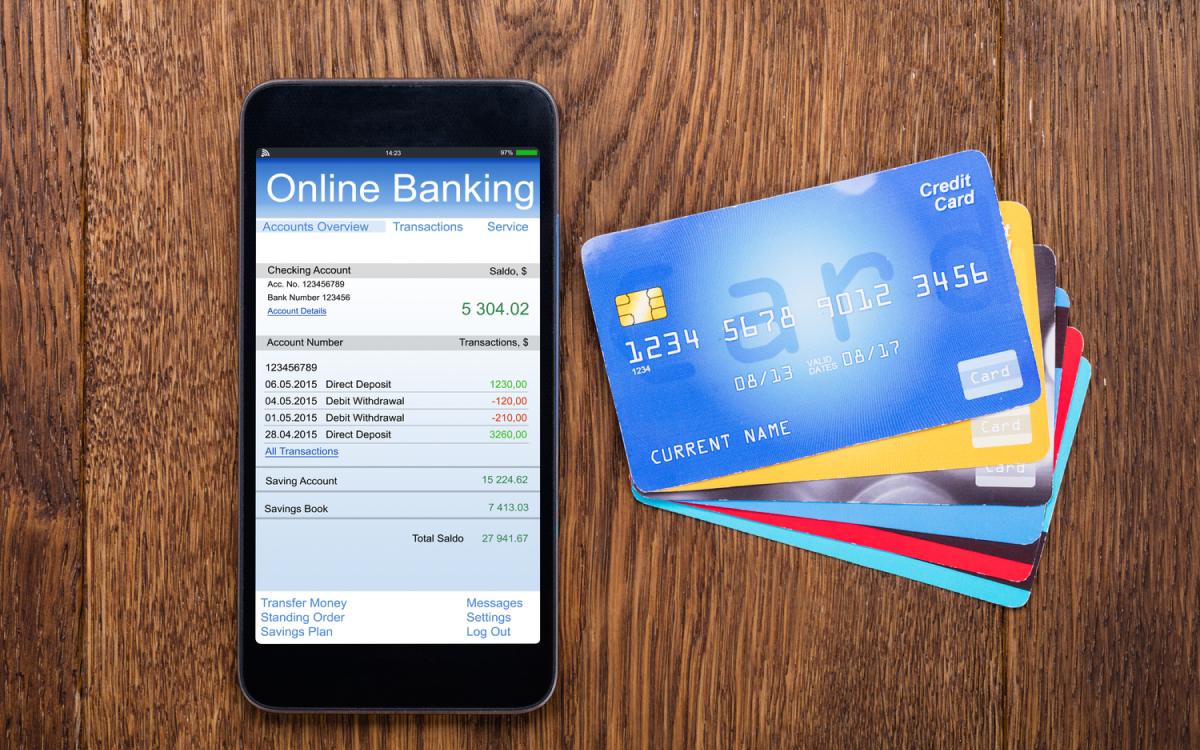
Digital payments have become an essential part of everyday financial activity, offering speed and convenience across transactions. Online banking and UPI systems are widely used, often without close attention to the risks involved. At the same time, fraud methods have become more refined and increasingly difficult to detect. Most incidents rely on small lapses in awareness rather than complex systems. With a clearer picture of how such fraud occurs and how it can be prevented, financial information can be protected while maintaining seamless usage.
How Online Banking and UPI Fraud Typically Occur
Common Techniques Used
Fraud in digital banking is generally based on manipulation rather than technical intrusion. Situations are often created in a way that appears familiar, encouraging actions that expose sensitive information. These methods rely on trust and urgency rather than system vulnerabilities.
Methods Used to Gain Access
Phishing messages, fake websites, and impersonation calls are frequently used to obtain access. Communication may appear legitimate, often mimicking official formats or tone. This increases the likelihood of quick responses without proper verification.
Actions Taken After Access Is Obtained
Once access is secured, unauthorised transactions may be initiated rapidly. Smaller transactions are often processed first to test access, followed by larger transfers. This pattern can delay detection and increase the extent of financial impact.
How Personal Information Is Kept Secure
Importance of Confidential Details
Sensitive information such as PINs, passwords, and OTPs functions as a primary layer of protection. These details are designed to remain private and should not be shared under any circumstances.
Identifying Unauthorised Requests
Requests for confidential information, even if presented as official communication, are generally not legitimate. Financial institutions do not request such details through calls, messages, or emails, making such interactions a common indicator of fraud.
Use of Verified Platforms
Information is best entered only on authorised and verified platforms. Accessing services through unfamiliar links increases the likelihood of exposure to fraudulent environments. Direct access through official applications or manually entered web addresses reduces this risk.
How Suspicious Links and Messages Can Be Identified
Recognising Irregular Patterns
Fraudulent communication is often designed to resemble genuine messages, but inconsistencies are usually present. Unexpected requests, unusual formatting, or unfamiliar sender details can signal potential threats.
Evaluating Links Carefully
Links that redirect to altered or unfamiliar websites should be approached with caution. Minor differences in spelling or structure may lead to platforms created to capture sensitive information.
Being Mindful of Urgency Tactics
Messages that create urgency are commonly used to prompt immediate action. Warnings about account suspension or restricted access are typical examples. A brief pause to verify such claims can prevent unintended actions.
How Strong Authentication Improves Security
Role of Secure Passwords
Passwords that are complex and not easily predictable provide an effective first layer of defence. Reusing the same credentials across multiple platforms can increase vulnerability.
Value of Additional Verification
Two-factor authentication introduces an additional step in the login process. Even if primary credentials are compromised, this extra layer significantly reduces the likelihood of unauthorised access.
Importance of Device Security
Devices used for financial transactions are more secure when protected with lock features and regularly updated software. Updates often include security enhancements that address known vulnerabilities.
How Transaction Monitoring Reduces Risk
Importance of Regular Checks
Regular review of account activity allows unusual transactions to be identified at an early stage. This awareness helps maintain control over financial movement.
Significance of Minor Irregularities
Even small discrepancies should not be overlooked. Minor unauthorised transactions may indicate an attempt to test account access before larger actions are taken.
Role of Alerts and Notifications
Real-time alerts provide immediate visibility into account activity. These notifications support quick identification of unexpected transactions and allow timely response.
Why Secure Networks Matter
Risks Associated with Public Connections
Public networks are often less secure and may expose sensitive data to interception. Financial transactions conducted on such networks carry a higher level of risk.
Preference for Trusted Connections
Private and secure networks provide a safer environment for accessing financial services. Controlled connections reduce the likelihood of data exposure.
Limiting High-Risk Activities
Avoiding financial activity on unsecured networks is a practical step in reducing risk. This approach helps maintain the confidentiality of sensitive information.
How App Usage Can Affect Security
Importance of Trusted Sources
Applications used for banking or payments are more reliable when installed from verified sources. Unofficial applications may contain harmful elements designed to extract data.
Reviewing Permission Requests
Permissions requested by applications should align with their intended function. Requests that appear excessive or unrelated may indicate potential risk.
Keeping Applications Updated
Regular updates ensure that security features remain current. Outdated applications may lack protection against newly identified threats.
How UPI-Specific Risks Can Be Managed
Nature of Instant Transactions
UPI systems are designed for immediate transfers, which increases efficiency but also reduces the margin for error. Once initiated, transactions are difficult to reverse.
Assessing Payment Requests
Requests that appear to involve receiving funds may require approval. Misinterpreting such requests can result in unintended payments instead.
Verifying QR Codes
QR codes should be scanned only when their source is verified. Incorrect or malicious codes may redirect payments without a clear indication.
How to Respond to Suspicious Activity
Importance of Immediate Action
Unusual account activity should be addressed without delay. Prompt attention helps reduce the extent of potential loss.
Reporting Through Official Channels
Unauthorised transactions are best reported through recognised channels as soon as they are identified. Early reporting improves the chances of resolution.
Preventing Further Misuse
Steps such as restricting access or securing accounts can help prevent additional unauthorised activity. Acting quickly limits further exposure.
How Consistent Habits Strengthen Security
Role of Ongoing Awareness
Security is supported by continuous attention to financial activity and potential risks. Awareness reduces reliance on assumptions.
Avoiding Automatic Trust
Requests and transactions are safer when verified rather than accepted without question. A cautious approach reduces vulnerability.
Building Reliable Practices
Simple and consistent habits contribute to long-term security. Over time, these practices become part of regular financial behaviour, improving overall protection.
UPI Is Secure by Design, But Shaped by Use
Online banking and UPI systems offer significant convenience, but their safe use depends on awareness and structured practices. Most fraud attempts rely on small gaps in attention rather than complex methods. By recognising patterns, maintaining vigilance, and following consistent precautions, digital transactions can remain secure without compromising ease of use. A better view of how these systems function allows financial activity to be managed with greater confidence and control.